Why You Keep Dating the Same Person in a Different Body — and What Your Birth Chart and Tarot Are Trying to Tell You

Photo: Brigade Piron, CC BY 3.0, via Wikimedia Commons
You swore this one was different. New city, maybe. New hair, definitely. Different job, different vibe, totally different from your last partner on the surface. And yet, here you are — six months in, having the exact same argument, feeling the exact same way, wondering how you ended up here again.
Sound familiar? You're not alone, and you're not broken. But you might be overdue for a conversation with the parts of yourself you've been avoiding.
This is what shadow work is about. And before you roll your eyes at the terminology — fair, it does sound like something you'd see on a vision board alongside moon water — stick with me. Because the underlying psychology is rock solid, and the tools that astrology and tarot offer for this kind of inner excavation are genuinely useful, even if you're the type who Googles things before you believe them.
What Shadow Work Actually Is (Without the Mystical Jargon)
The concept of the "shadow" comes from Carl Jung, the Swiss psychiatrist who spent decades mapping the unconscious mind. His basic idea: we all have parts of ourselves we've rejected, suppressed, or never fully acknowledged — usually because they felt unsafe, shameful, or unacceptable at some point in our development. Those rejected parts don't disappear. They go underground and operate from the shadows, influencing our choices without our awareness.
In relationships, this shows up in patterns. The person who always ends up with emotionally unavailable partners might be unconsciously recreating the emotional dynamic of an unavailable parent — seeking resolution for an old wound in new relationships. The person who consistently attracts controlling partners might have a deep, unexamined fear of making their own decisions. The one who keeps getting cheated on might have a shadow belief that they're fundamentally unworthy of loyalty.
None of this is about blame. It's about the fact that our nervous systems are pattern-matching machines, and until we shine a light on what they're matching to, the pattern keeps running.
Where Your Natal Chart Comes In
Here's where astrology stops being about sun sign compatibility and starts getting genuinely useful for self-examination.
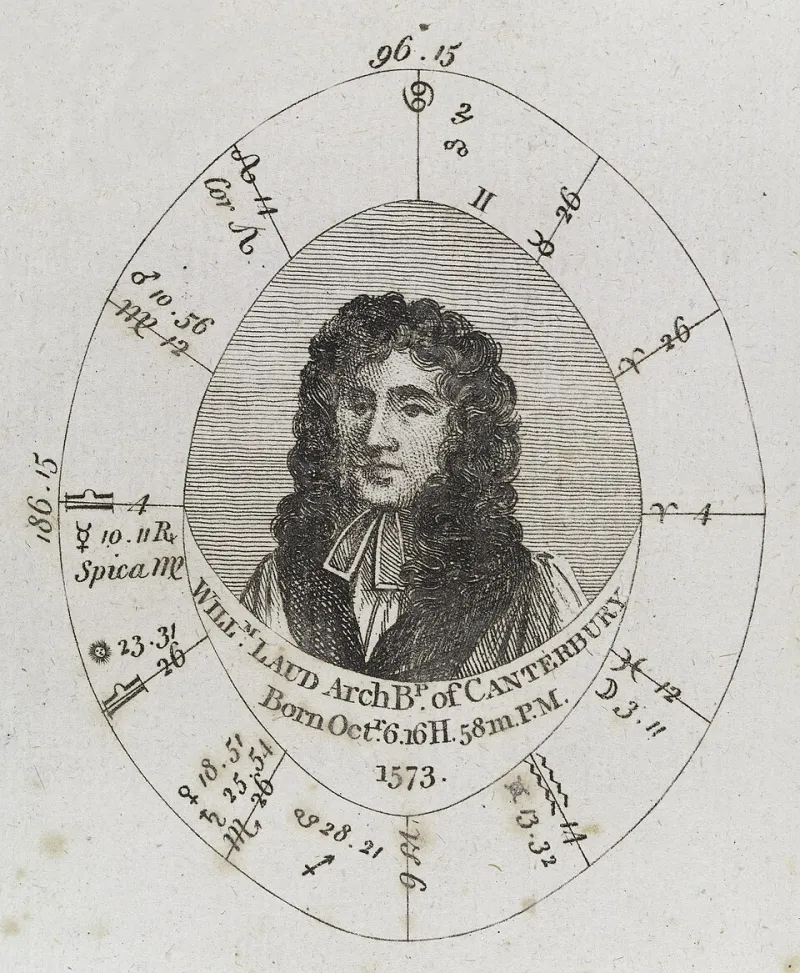
Your birth chart is essentially a snapshot of the sky at the moment you arrived in the world — and it contains a remarkable amount of information about your psychological architecture, including the shadow material you're most likely carrying.
Your Moon sign and its aspects are the first place to look. The Moon in your chart represents your emotional core — how you process feelings, what you need to feel safe, and the emotional patterns instilled in childhood. A Moon in Scorpio, for example, often carries deep fears of betrayal and abandonment that can generate intense push-pull dynamics in relationships. A Moon in Capricorn might struggle with emotional vulnerability, unconsciously choosing partners who confirm the belief that feelings are a liability.
Your Venus sign and house shows what you're attracted to and how you relate in love — but more importantly, its challenging aspects (squares, oppositions) can reveal where your romantic life is most likely to trip you up. Venus square Saturn, for instance, is classically associated with fears of rejection and patterns of self-sabotage in relationships.
The 7th house and its ruler represent the qualities you project onto partners — which is a very Jungian concept. Whatever planets sit in your 7th house, or rule it, often describe the shadow qualities you're most likely to seek outside yourself rather than develop within. If you have Pluto in the 7th, you may be repeatedly drawn to intense, transformative (and sometimes destabilizing) relationships until you integrate that Plutonian energy into your own identity.
This isn't fortune-telling. It's a map of your psychological tendencies drawn from a system that has been refined over thousands of years of human observation.
What Tarot Adds to the Conversation
Tarot, at its most practical, is a projective tool — similar to a Rorschach test in some ways. The images on the cards activate associations, memories, and feelings that might otherwise stay buried. When used for shadow work specifically, tarot isn't about predicting who you'll meet next. It's about asking harder questions.
A few pulls that are particularly useful for relationship pattern work:
What am I bringing to my relationships unconsciously? Pull a card for this and sit with whatever discomfort comes up. The Five of Cups showing up here might point to an unprocessed grief you're carrying into new connections. The Tower could suggest you're unconsciously creating chaos because stability feels foreign or unsafe.
What do I actually need that I've been afraid to ask for? This one cuts through the noise fast. People are often shocked by how clearly the cards reflect back what they already know but haven't admitted.
What pattern am I ready to release? This isn't about prediction — it's about intention-setting. The act of naming what you want to release has real psychological weight.
You don't have to believe the cards are magic for this to work. You just have to be willing to look honestly at what comes up.
Breaking the Pattern: What Actually Helps
Knowledge alone doesn't break cycles. Understanding your Moon square Pluto or your Venus in the 12th house is interesting, but it doesn't automatically change behavior. Here's what actually moves the needle:
Journaling with specificity. Not "I want to attract better relationships" but "When my partner pulled away last week, I felt ______. That feeling reminds me of ______. The first time I felt that way, I was _______." Tracing the feeling back to its origin is where the real work happens.
Noticing the charge, not just the behavior. Shadow patterns often announce themselves as an unusually strong emotional reaction — attraction that feels almost compulsive, or a disproportionate fear response. When something hits harder than the situation seems to warrant, that's a signal worth investigating.
Working with a professional. Shadow work can stir up significant material. A therapist — particularly one who integrates somatic or depth psychology approaches — is a genuinely valuable partner in this process. Astro-psychic tools are a complement, not a replacement.
Sitting with discomfort instead of filling it. Most of our relationship patterns exist because they were adaptive at some point — they helped us survive or belong. Thanking the pattern for its service before releasing it sounds corny, but it works. It's harder to fight yourself than to understand yourself.
The Honest Truth
Your birth chart didn't curse you to repeat painful patterns, and tarot isn't going to fix them overnight. But both tools offer something genuinely valuable: a framework for self-examination that goes deeper than surface-level advice.
The universe within you — your unconscious mind, your emotional history, your unmet needs — is speaking constantly through the relationships you choose and the patterns you keep living out. Shadow work is simply the practice of learning to listen.
And once you do? The reruns finally stop.